
Article Plan: Printable Blood Pressure and Blood Sugar Log Sheet PDF
This comprehensive guide details creating and utilizing printable logs for tracking vital health metrics.
It explores the connection between blood pressure‚ blood sugar‚ and overall wellness‚
providing resources for effective self-monitoring and healthcare integration.

Key areas covered include log sheet components‚ accurate measurement techniques‚ and available resources.
We’ll also compare printable logs with digital apps‚ empowering informed health management decisions.
Understanding the benefits of consistent tracking is crucial for preventing complications.
This article offers practical advice for individuals and healthcare providers alike.
Maintaining optimal health requires proactive monitoring of key vital signs‚ particularly blood pressure and blood sugar levels. For individuals managing conditions like hypertension‚ diabetes‚ or simply aiming for preventative wellness‚ consistent tracking is paramount. This article focuses on the invaluable tool of a printable blood pressure and blood sugar log sheet – a simple yet powerful method for empowering individuals to take control of their health journey.
In today’s fast-paced world‚ readily accessible and easy-to-use tracking methods are essential. While digital applications offer convenience‚ printable log sheets provide a tangible‚ focused approach‚ free from digital distractions. They allow for a clear‚ visual representation of trends and patterns‚ facilitating informed discussions with healthcare providers.
This guide will delve into the benefits of utilizing a printable log sheet‚ outlining essential components‚ offering tips for accurate readings‚ and providing resources for readily available PDF templates. We will explore how consistent logging can aid in understanding potential complications and ultimately contribute to a healthier‚ more proactive lifestyle.
What are Blood Pressure and Blood Sugar?
Blood pressure measures the force of blood against artery walls‚ crucial for oxygen and nutrient delivery. It’s recorded as two numbers: systolic (when the heart beats) and diastolic (between beats). High blood pressure‚ or hypertension‚ strains the cardiovascular system‚ increasing risks of heart disease and stroke.
Blood sugar‚ or glucose‚ is the primary energy source for the body. Derived from food‚ it’s regulated by insulin. Elevated blood sugar‚ or hyperglycemia‚ indicates the body isn’t effectively processing glucose‚ potentially leading to diabetes. Conversely‚ low blood sugar (hypoglycemia) can cause dizziness and light-headedness.
Understanding these two metrics is fundamental for proactive health management. Regular monitoring‚ facilitated by a printable log sheet‚ allows individuals to identify trends and potential issues early on. Tracking both blood pressure and blood sugar provides a holistic view of metabolic health‚ enabling informed lifestyle adjustments and medical interventions.

The Connection Between Blood Pressure and Blood Sugar
High blood sugar and elevated blood pressure frequently coexist‚ creating a dangerous health synergy. Individuals with diabetes are twice as likely to develop hypertension‚ and vice versa. This connection stems from shared underlying factors like insulin resistance and inflammation.
Chronically high blood sugar can damage blood vessels‚ reducing their elasticity and contributing to increased blood pressure. Simultaneously‚ hypertension can worsen insulin resistance‚ exacerbating blood sugar control issues. This creates a vicious cycle‚ accelerating the risk of cardiovascular complications.
Therefore‚ monitoring both metrics is vital‚ and a printable log sheet is an excellent tool. Tracking these interconnected values allows for a more comprehensive assessment of overall health risk; Lifestyle interventions‚ such as walking and dietary changes‚ can positively impact both blood pressure and blood sugar levels‚ breaking this harmful cycle.
Why Track Blood Pressure and Blood Sugar?
Regularly tracking blood pressure and blood sugar is paramount for proactive health management. These “silent threats” often exhibit no immediate symptoms‚ yet can lead to severe complications like heart disease‚ stroke‚ and kidney failure. Consistent monitoring empowers individuals to identify trends and potential issues early on.
Tracking facilitates informed decision-making regarding lifestyle modifications and medication adjustments. A printable log sheet provides a tangible record for sharing with healthcare providers‚ enabling more personalized and effective treatment plans. Recognizing patterns – like post-meal blood sugar spikes or pressure fluctuations – is crucial.
Furthermore‚ tracking can help identify triggers and assess the effectiveness of interventions. Whether it’s diet‚ exercise‚ or medication‚ a log sheet offers valuable data for optimizing health outcomes. Early detection and management are key to preventing long-term health consequences.
Benefits of Using a Log Sheet
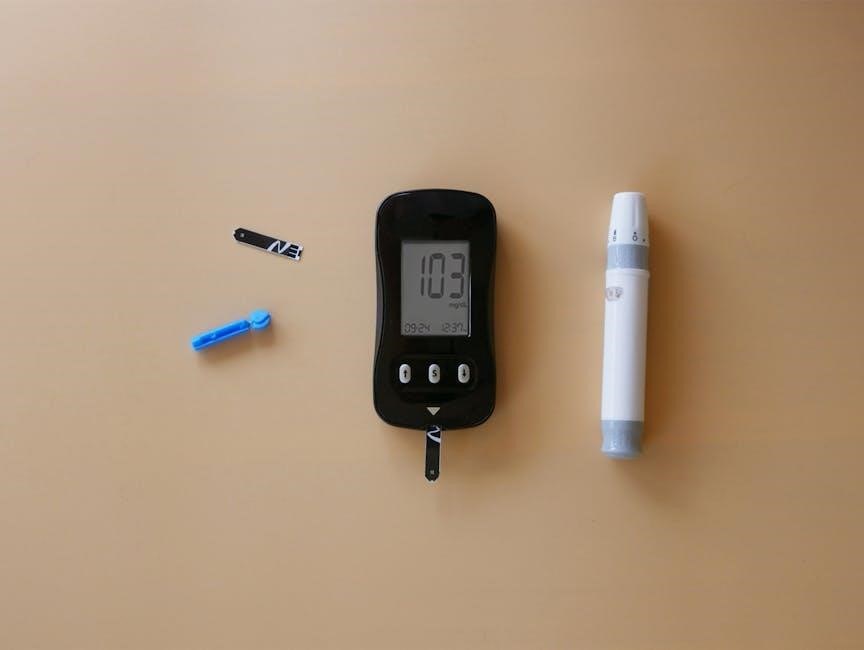
Employing a log sheet – whether printable or digital – offers numerous advantages for health management. A tangible record fosters greater awareness of your body’s responses to diet‚ activity‚ and medication. This proactive approach empowers individuals to take control of their well-being.

Log sheets facilitate clear communication with healthcare providers‚ providing a concise overview of your health data. This enables more informed discussions and personalized treatment plans. Detailed records‚ including timing of measurements‚ are invaluable.
Printable logs offer simplicity and accessibility‚ requiring no technological expertise. They are particularly beneficial for those less comfortable with apps or digital devices. Consistent logging reveals patterns‚ aiding in early detection of potential health concerns and promoting preventative care.
Understanding Potential Complications
Uncontrolled high blood pressure and blood sugar levels can lead to severe health complications. Prolonged hypertension significantly increases the risk of heart disease‚ stroke‚ kidney failure‚ and vision loss. Similarly‚ consistently elevated blood sugar‚ characteristic of diabetes‚ can damage nerves‚ blood vessels‚ and organs.
The connection between these two conditions is particularly concerning. Individuals with diabetes are twice as likely to develop high blood pressure‚ creating a dangerous cycle. This combination accelerates the progression of cardiovascular disease and other related ailments.
Regular monitoring with a log sheet helps identify trends and potential issues early on. Early detection allows for timely intervention‚ potentially mitigating the severity of these complications and improving long-term health outcomes. Proactive management is key to preventing irreversible damage.
Who Should Use a Blood Pressure and Blood Sugar Log?
A blood pressure and blood sugar log is beneficial for anyone actively managing these health metrics. Individuals diagnosed with hypertension‚ diabetes (Type 1 or Type 2)‚ or pre-diabetes will find it particularly valuable. Consistent tracking empowers informed self-management and facilitates effective communication with healthcare providers.
Those with a family history of cardiovascular disease or diabetes should also consider regular monitoring. Early detection of potential issues can lead to preventative measures and lifestyle adjustments. Even individuals experiencing occasional fluctuations in readings can benefit from a log to identify patterns.
Furthermore‚ individuals starting new medications or making significant lifestyle changes – such as diet or exercise – should utilize a log to assess the impact on their blood pressure and blood sugar levels. It’s a proactive tool for personalized health management.
Components of a Comprehensive Log Sheet
A truly useful log sheet extends beyond simply recording numbers; it needs structured detail. Essential fields include date‚ time of measurement‚ systolic and diastolic blood pressure readings‚ and corresponding heart rate. For blood sugar‚ separate columns for fasting levels and readings two hours post-meal are crucial.
Weight tracking is also highly relevant‚ as it often correlates with both blood pressure and blood sugar. Space for noting medication dosages and any relevant symptoms (like dizziness or fatigue) adds valuable context. A section for brief notes about diet or exercise that day is also beneficial.
Consider including a provider’s notes section for recording recommendations or adjustments; A well-designed log sheet facilitates a holistic view of health‚ enabling more informed decisions and discussions with healthcare professionals.
Systolic and Diastolic Blood Pressure Readings
Blood pressure is recorded as two numbers: systolic and diastolic‚ representing different phases of the heartbeat. Systolic pressure‚ the top number‚ measures the force when the heart beats‚ while diastolic‚ the bottom number‚ reflects the pressure when the heart rests between beats.
A comprehensive log sheet must have dedicated columns for both readings. Consistent recording allows for identifying trends and potential issues. Normal blood pressure is generally considered to be less than 120/80 mmHg‚ but individual targets may vary based on health conditions.
Regular monitoring helps detect hypertension (high blood pressure) or hypotension (low blood pressure). Accurate recording‚ alongside date and time‚ provides valuable data for healthcare providers to assess cardiovascular health effectively.
Fasting Blood Sugar Levels
Fasting blood sugar measures glucose levels after an overnight fast‚ typically at least eight hours. This provides a baseline reading‚ reflecting how well the body regulates blood sugar without recent food intake. A normal fasting blood sugar level is generally below 100 mg/dL.
A well-designed log sheet will include a specific section for recording fasting glucose readings‚ alongside the date and time of the test. Levels between 100-125 mg/dL indicate prediabetes‚ while 126 mg/dL or higher suggests diabetes.
Tracking fasting blood sugar helps identify insulin resistance and assess diabetes management effectiveness. Consistent monitoring‚ combined with other readings‚ empowers individuals and healthcare providers to make informed decisions about diet‚ exercise‚ and medication.
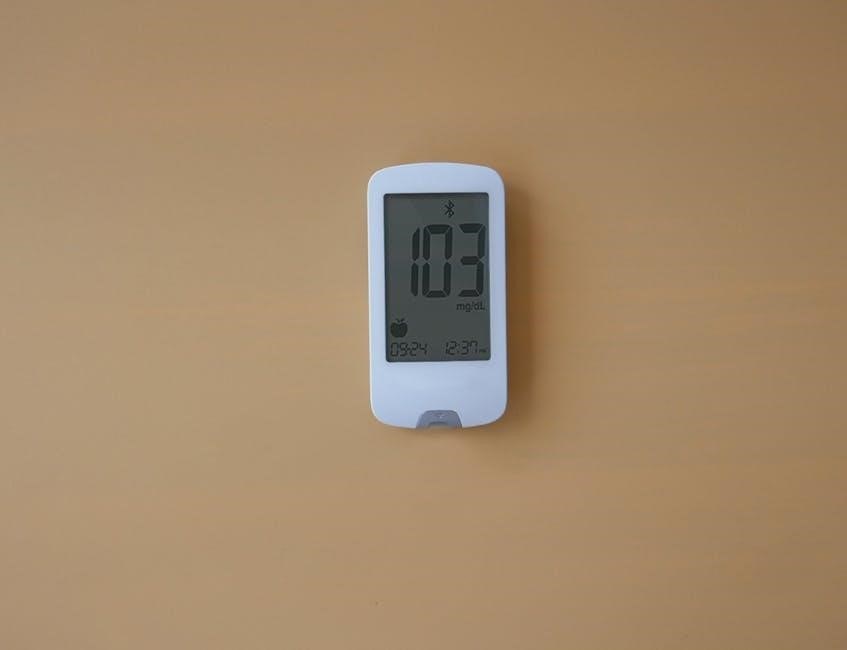
Post-Meal Blood Sugar Levels
Post-meal blood sugar‚ typically measured two hours after the start of a meal‚ reveals how the body processes carbohydrates. This reading is crucial for understanding how different foods impact glucose levels and for adjusting dietary choices accordingly. A healthy post-meal reading is generally below 140 mg/dL.
A comprehensive log sheet should dedicate space for recording post-meal glucose levels‚ noting the type of meal consumed (e.g.‚ breakfast‚ lunch‚ dinner) and the time of testing. Readings consistently above 180 mg/dL may indicate poor glycemic control.
Tracking post-meal glucose provides valuable insights into carbohydrate tolerance and medication effectiveness. This data‚ alongside fasting levels‚ allows for a holistic view of blood sugar management and supports personalized treatment plans.
Heart Rate Monitoring
Integrating heart rate monitoring into a blood pressure and blood sugar log provides a more complete picture of cardiovascular health. Elevated heart rates can often accompany both high blood pressure and fluctuating blood sugar levels‚ indicating increased stress on the body. A normal resting heart rate generally falls between 60 and 100 beats per minute.
A well-designed log sheet will include a dedicated field for recording heart rate alongside blood pressure and glucose readings. Noting the time of day and activity level (e.g.‚ resting‚ after exercise) is also beneficial for context.
Consistent heart rate tracking can help identify patterns and potential warning signs‚ prompting timely discussions with healthcare providers. It’s a valuable addition for individuals with diabetes or hypertension.
Weight Tracking and its Relevance
Incorporating weight tracking into a blood pressure and blood sugar log sheet is crucial‚ as weight significantly impacts both conditions. Obesity is a major risk factor for hypertension and type 2 diabetes‚ and even modest weight loss can lead to improvements in blood pressure and glucose control.
A comprehensive log should include a dedicated space to record weight regularly – ideally‚ at the same time each day. Tracking trends over time is more valuable than focusing on daily fluctuations. Note any significant changes or patterns observed.
Weight management‚ alongside blood pressure and blood sugar monitoring‚ empowers individuals to proactively manage their health. This holistic approach facilitates informed conversations with healthcare professionals and supports personalized treatment plans.
Creating Your Own Printable Log Sheet
Designing a personalized printable log sheet allows tailoring to individual needs and preferences. Start with essential fields: date‚ time‚ systolic/diastolic blood pressure‚ fasting/post-meal blood sugar levels‚ heart rate‚ and weight. Consider adding space for medication details and notes on diet or exercise.
Formatting for clarity is key. Use a table format with clear column headings and sufficient space for writing. Prioritize readability with a simple font and adequate line spacing. A weekly or monthly layout can provide a broader overview.
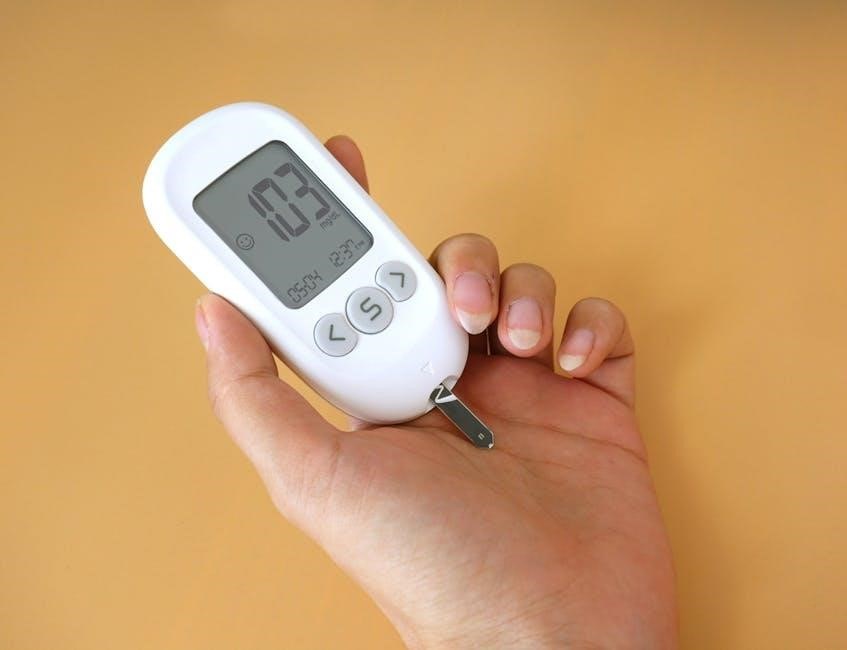
Utilizing spreadsheet software like Excel or Google Sheets offers flexibility. These tools enable easy customization and printing. Alternatively‚ numerous free templates are available online as a starting point.
Essential Fields to Include
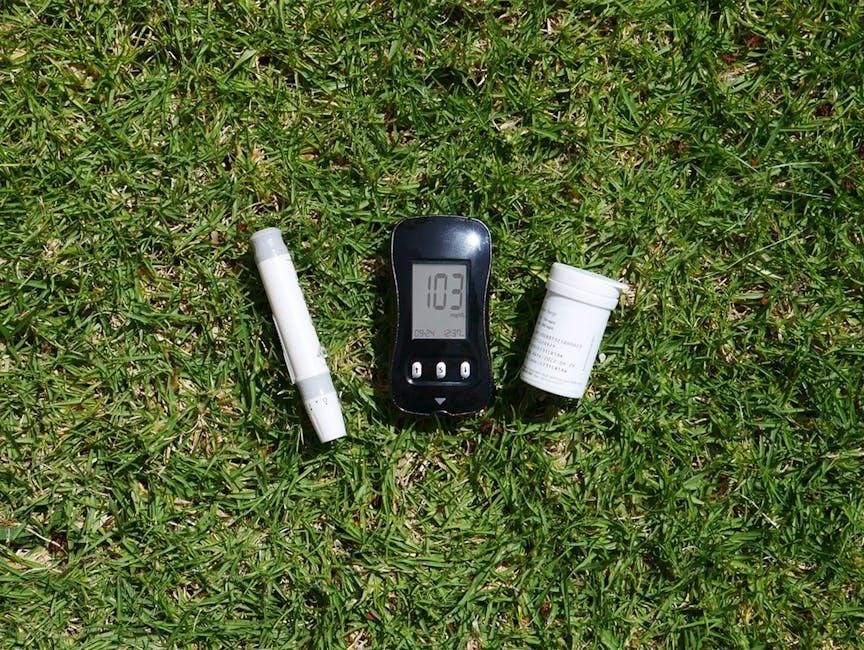
A comprehensive log sheet must incorporate key data points for effective health monitoring. The foundational elements are date and time of measurement‚ providing context for trends. Systolic and diastolic blood pressure readings are crucial‚ alongside fasting blood sugar levels taken upon waking.
Equally important are post-meal blood sugar readings‚ typically recorded two hours after eating‚ to assess glucose response. Include a field for heart rate‚ offering insights into cardiovascular health. Weight tracking provides a valuable indicator of overall well-being and potential correlations.
Additional helpful fields include medication details (dosage and time)‚ notes on physical activity‚ and dietary intake. Space for general observations or symptoms experienced can also be beneficial for healthcare providers.
Formatting for Easy Use
Effective log sheet formatting prioritizes clarity and simplicity for consistent data entry. Utilize a table format with clearly labeled columns for each data point – date‚ time‚ blood pressure (systolic/diastolic)‚ fasting sugar‚ post-meal sugar‚ heart rate‚ and weight. Ample space within each cell is essential for legible handwriting.
Consider using a consistent font size and style throughout the document. A weekly or monthly layout can provide a broader overview of trends. Incorporate visual cues like shading or bolding for key sections.
Leave space for notes and observations‚ allowing for contextual information. Ensure the sheet is easily printable on standard letter-size paper. A clean‚ uncluttered design minimizes errors and encourages regular use.
Choosing the Right PDF Template
Selecting the appropriate PDF template is crucial for effective tracking. Prioritize templates offering all essential fields: date‚ time‚ systolic/diastolic blood pressure‚ fasting and post-meal blood sugar levels‚ heart rate‚ and weight. Look for templates designed for daily or multiple daily readings‚ depending on your needs.
Consider the layout and ease of use. A well-organized template minimizes errors and encourages consistent logging. Some templates include sections for medication notes or dietary information‚ enhancing comprehensive tracking.
Evaluate the template’s printability and compatibility with your printer. Customizable templates allow tailoring to individual requirements. Ensure the PDF is from a reputable source to guarantee accuracy and data security.
Tips for Accurate Readings
Achieving accurate readings is paramount for effective health management. For blood pressure‚ sit quietly for 5-10 minutes before measurement‚ with feet flat on the floor and your arm supported at heart level. Avoid caffeine‚ exercise‚ and smoking for at least 30 minutes beforehand.
When testing blood sugar‚ follow your healthcare provider’s instructions precisely. Ensure your hands are clean and dry. Use the correct testing strips and calibrate your meter regularly. Record readings consistently – before meals‚ two hours after meals‚ or as directed.

Maintain a consistent testing schedule and environment. Note any factors that might influence readings‚ like illness or stress‚ alongside your logged data for a comprehensive overview.
Proper Blood Pressure Measurement Technique
Correct technique is vital for reliable blood pressure readings. Begin by sitting quietly for five to ten minutes with your back supported and feet flat on the floor. Ensure your arm is supported at heart level‚ relaxed‚ and free of constricting clothing.
Use a validated blood pressure monitor with the correct cuff size. Position the cuff snugly on your upper arm‚ about an inch above your elbow. Avoid talking or moving during the measurement process.
Take multiple readings‚ spaced a minute apart‚ and record the average. Note the date and time of each reading on your log sheet. Consistent technique ensures accurate data for tracking trends and informing healthcare decisions.
Best Practices for Blood Sugar Testing
Accurate blood sugar monitoring is crucial for effective diabetes management. Wash your hands thoroughly with soap and warm water before each test. Use a clean lancet and test strip‚ ensuring they haven’t expired.
Follow your healthcare provider’s recommended testing schedule‚ typically including fasting blood sugar and post-meal readings. Record the time of each test and any relevant factors‚ like meals or exercise‚ on your log sheet.
Proper technique involves obtaining a sufficient blood sample and following the meter’s instructions carefully. Consistent practices ensure reliable data for tracking trends and making informed decisions about diet‚ exercise‚ and medication.
Timing of Measurements: Before and After Meals
Strategic timing of blood sugar measurements provides a comprehensive view of your body’s response to food. Testing before meals establishes a baseline fasting glucose level‚ indicating overnight control. Recording two hours after the first bite of a meal reveals how your body processes carbohydrates.
Consistent timing is key for accurate comparisons. Your printable log sheet should have dedicated sections for “Before Meal” and “Two Hours After Meal” readings. This allows you to identify patterns and understand which foods impact your blood sugar most significantly.
Regular monitoring helps adjust dietary choices and medication‚ optimizing blood glucose management; Discuss the ideal testing schedule with your healthcare provider for personalized guidance.
Digital vs. Printable Log Sheets
Both digital applications and printable log sheets offer effective methods for tracking blood pressure and blood sugar‚ each with distinct advantages. Digital apps provide automatic data storage‚ graphing capabilities‚ and often‚ direct sharing with healthcare providers. They can send reminders and offer insightful analytics.
However‚ printable logs offer simplicity and independence from technology. They require no batteries‚ software updates‚ or internet access. Many users appreciate the tactile experience of physically recording data‚ fostering a more mindful approach to self-monitoring.
Printable logs also enhance privacy‚ as data isn’t stored on a device or cloud server. Ultimately‚ the best choice depends on individual preferences and technological comfort levels.
Advantages of Printable Logs
Printable blood pressure and blood sugar log sheets offer several compelling advantages over purely digital tracking methods. A primary benefit is their accessibility – requiring no devices‚ power‚ or internet connectivity‚ making them ideal for individuals with limited technological access or preference.
They promote a more active and mindful engagement with health data‚ as the physical act of writing can enhance recall and awareness. Printable logs also offer enhanced privacy‚ avoiding concerns about data security and cloud storage.
Furthermore‚ they are easily customizable; users can tailor the layout and included fields to their specific needs. These logs are also excellent for sharing directly with healthcare providers during appointments‚ providing a tangible record of health trends.
Popular Apps for Tracking Blood Pressure and Sugar
While printable logs offer distinct benefits‚ numerous mobile applications effectively track blood pressure and blood sugar levels. These apps often provide features beyond simple logging‚ such as data visualization‚ trend analysis‚ and automated reminders for measurements.
Popular options include those that integrate with Bluetooth-enabled monitoring devices‚ automatically uploading readings. Some apps‚ like those mentioned in available documentation‚ function as comprehensive trackers‚ encompassing systolic‚ diastolic‚ heart rate‚ and glucose levels.
Many offer customizable reports for sharing with healthcare professionals. However‚ it’s crucial to research app privacy policies and data security measures before use. Ultimately‚ the best method—app or printable log—depends on individual preferences and technological comfort.
Integrating Log Sheets with Healthcare Providers
Regularly sharing blood pressure and blood sugar log data with your healthcare provider is paramount for effective management. Printable log sheets facilitate this process by providing a tangible record of your health trends‚ enabling informed discussions during appointments.
Bring your completed log to each visit‚ or consider scanning and emailing a copy. This allows your doctor to assess the effectiveness of your treatment plan and make necessary adjustments. Detailed logs can reveal patterns that might be missed during infrequent clinical measurements.
Proactive data sharing empowers collaborative healthcare‚ fostering a stronger patient-provider relationship. Discuss the best method for sharing your log with your doctor to ensure seamless integration into your care plan.
Resources for Printable Log Sheets (PDF)
Numerous online resources offer free and customizable printable blood pressure and blood sugar log sheets in PDF format. A quick internet search reveals options from reputable health organizations and individual creators.
Many diabetes websites provide specialized glucose log templates‚ often including sections for insulin dosage and carbohydrate intake. Similarly‚ heart health organizations offer blood pressure logs with space for heart rate and weight tracking.
Websites like PrintableBloodPressureLogs;com and various template libraries host a variety of designs. Consider using customizable templates to tailor the log to your specific needs‚ ensuring all essential fields are included. Always verify the source’s credibility before downloading and using any template.
Free Printable Options Online
A wealth of free‚ printable blood pressure and blood sugar log sheets are readily available online‚ catering to diverse needs. Websites dedicated to health and wellness frequently offer downloadable PDFs‚ requiring no registration or subscription.

Searching for “free blood pressure log PDF” or “free blood sugar log PDF” yields numerous results. These often include daily‚ weekly‚ and monthly templates‚ allowing users to choose a format that suits their tracking preferences.
Resources like Vertex42 and various health-focused blogs provide well-designed‚ easy-to-use log sheets. However‚ it’s crucial to ensure the chosen template includes essential fields like date‚ time‚ systolic/diastolic pressure‚ and blood sugar levels. Always preview the PDF before printing to confirm its suitability.
Customizable Templates
For individuals seeking a more personalized approach‚ customizable templates offer a flexible solution for tracking blood pressure and blood sugar. These templates‚ often available as Microsoft Word or Excel files‚ allow users to modify fields‚ add notes‚ and tailor the log sheet to their specific requirements.
Websites offering these templates frequently provide options to adjust column widths‚ font sizes‚ and even incorporate personal branding elements. This level of customization ensures the log sheet aligns perfectly with individual preferences and healthcare provider recommendations.
While requiring slightly more effort than pre-printed PDFs‚ customizable templates empower users to create a truly bespoke tracking system. Remember to save a master copy of the customized template to avoid repetitive editing.
Where to Find Reliable Information
Accessing trustworthy sources is paramount when managing health conditions like hypertension and diabetes. Several organizations offer evidence-based information regarding blood pressure and blood sugar monitoring‚ alongside downloadable log sheets.
The American Heart Association (heart.org) and the American Diabetes Association (diabetes.org) are excellent starting points. These websites provide comprehensive guides‚ educational materials‚ and links to reputable resources.
Government health websites‚ such as the National Institutes of Health (NIH) and the Centers for Disease Control and Prevention (CDC)‚ also offer reliable data and guidelines. Always verify the source’s credibility before relying on any health information.
Be cautious of unverified claims or advice found on social media or less-established websites. Prioritize information from medical professionals and recognized health organizations.